Why Back Pain Rarely “Just Goes Away”: The Role of Disc Imbibition
Understanding What’s Really Happening Inside Your Spine
Low back pain is one of the most common health complaints in adults. Many people assume that if they simply rest long enough, their back pain will eventually disappear on its own. While some mild episodes do improve over time, the underlying reason many cases of back pain persist has to do with how the intervertebral discs receive nutrients.
Unlike most tissues in the body, spinal discs do not have a direct blood supply. Because of this, they rely on a process called imbibition to receive nutrients and remove waste products. Understanding this process helps explain why movement and proper rehabilitation are essential for healing back pain.
What Is Imbibition?
Imbibition is the process by which spinal discs absorb fluid and nutrients from the surrounding tissues. Since discs lack blood vessels, they depend on changes in pressure created by movement to draw nutrients in and push metabolic waste out.
When the spine moves through compression and decompression, the discs act like a sponge:
- Compression pushes waste products out of the disc.
- Decompression allows the disc to absorb nutrient-rich fluid.
This fluid contains essential substances such as oxygen, glucose, and electrolytes that the disc cells need to stay healthy.
Why Rest Alone Doesn’t Fix Back Pain
Many people with back pain instinctively try to rest and avoid movement. While short-term rest may reduce irritation, prolonged inactivity actually slows disc healing.
When the spine stays still for long periods:
- Disc pressure does not fluctuate.
- Nutrient exchange slows dramatically.
- Waste products accumulate inside the disc.
- The disc becomes less hydrated and less resilient.
Without movement, the disc cannot effectively perform imbibition. Over time, this can contribute to disc degeneration, stiffness, and persistent pain.
This is one of the key reasons why patients who remain sedentary often report that their back pain lingers for weeks or months.
Why Movement Is Medicine for the Spine
Healthy spinal motion stimulates imbibition and improves the health of the intervertebral discs. Specific types of movement can help restore normal disc mechanics and promote healing.
Beneficial movements often include:
- Walking
- Spinal extension exercises
- Core stabilization exercises
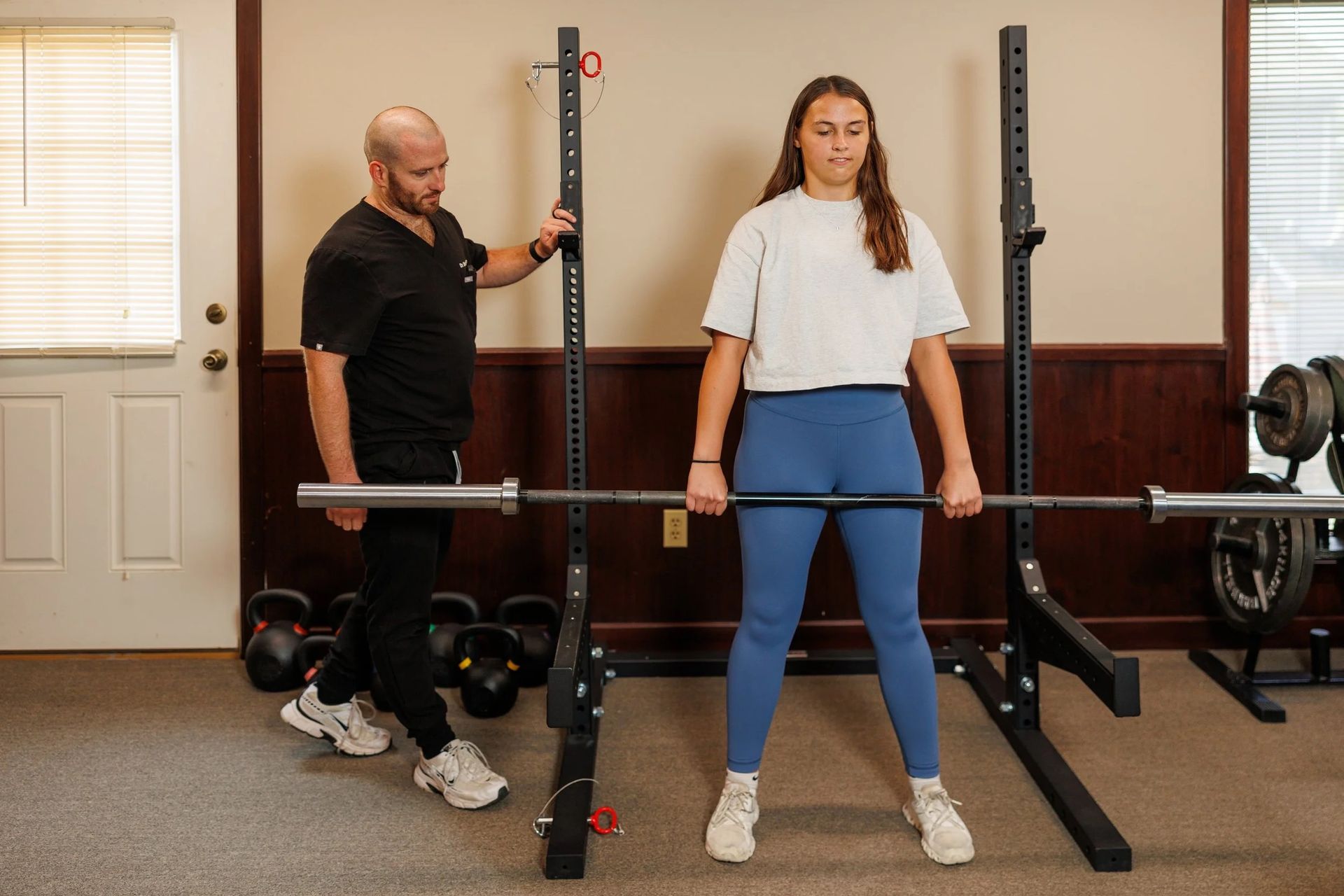
- Strength training movements like squats and deadlifts when performed properly
These activities create the pressure changes needed for discs to absorb nutrients and maintain hydration.
In clinical practice, patients frequently notice that their back feels better after moving, even if it initially feels stiff.
The Importance of Targeted Rehabilitation
Not all movement is equal when it comes to treating back pain. Proper rehabilitation focuses on restoring normal spinal mechanics while strengthening the muscles that support the spine.
A comprehensive approach typically includes:
- Corrective exercises
- Spinal mobility work
- Core stabilization
- Gradual strength training
This approach helps restore proper loading of the spine so discs can function normally through the process of imbibition.
The Bottom Line
Back pain rarely improves by doing nothing. Because spinal discs rely on imbibition rather than direct blood flow, they need movement to receive nutrients and stay healthy.
Remaining active, performing the right exercises, and restoring normal spinal mechanics are key components of long-term recovery. When the spine moves properly, the discs can once again function like the shock-absorbing, nutrient-exchanging structures they were designed to be.
Ready to Fix Your Back Pain?
If you're dealing with persistent back pain, the right treatment plan can make a huge difference.
At Superior Chiropractic & Rehab, we focus on identifying the root cause of your pain and building a treatment plan that includes spinal care, corrective exercise, and strength training to help your back heal and stay strong.
Click Here to schedule your $40 New Patient Exam today.
Your spine was designed to move. Let’s get it moving again.