Can Cupping Therapy Help Low Back Pain?
How Cupping Therapy Can Help Low Back Pain
Low back pain is one of the most common musculoskeletal conditions affecting adults, especially individuals who spend long hours sitting, lifting, or participating in sports and physical activity. Many people are searching for natural and non-surgical treatments for low back pain, and one therapy that has gained popularity in both sports medicine and rehabilitation settings is cupping therapy. When used appropriately, cupping can be a helpful tool to reduce muscle tension, improve circulation, and support recovery from certain types of lumbar spine pain.
What Is Cupping Therapy?
Cupping therapy is a manual therapy technique that uses specialized cups placed on the skin to create gentle suction. This suction lifts the superficial tissues away from the underlying muscle and fascia, creating a decompressive effect. Unlike traditional massage that applies pressure downward into tissues, cupping works by lifting the tissue upward, which can help improve mobility and circulation in tight or restricted areas of the body.
In patients with low back pain, cupping is often applied to the muscles surrounding the lumbar spine, including the lumbar paraspinals, quadratus lumborum, and thoracolumbar fascia. These tissues frequently become tight or irritated due to poor posture, prolonged sitting, repetitive movements, or sports-related strain.
How Cupping Therapy Helps Low Back Pain
There are several mechanisms that may explain why cupping therapy can help reduce back pain and muscle stiffness.
1. Improves Blood Flow to Injured Tissues
One of the primary benefits of cupping therapy is its ability to increase local circulation. The suction created by the cups draws blood to the treated area, which may help deliver oxygen and nutrients to irritated tissues. Improved circulation can support the body's natural healing processes and may help reduce discomfort associated with muscle strain and lumbar tightness.
2. Reduces Muscle Tension
Many cases of chronic low back pain are associated with tight or overactive muscles in the lower back and hips. Cupping therapy can help decrease muscle tension by gently lifting the tissues and allowing them to relax. This decompression effect may reduce pressure within the soft tissues and allow muscles to return to a more normal resting state.
3. Improves Fascia Mobility
The fascia is a connective tissue network that surrounds muscles and helps transmit force throughout the body. When fascia becomes restricted or tight, it can contribute to stiffness and reduced spinal mobility. Cupping therapy helps lift and stretch the fascia, which may help restore better tissue movement and improve overall mobility of the lumbar spine.
4. Modulates Pain Signals
Cupping therapy also stimulates sensory receptors in the skin and underlying tissues. This stimulation may influence how the nervous system processes pain signals, potentially leading to temporary pain relief. This mechanism is similar to other manual therapies used in sports medicine and rehabilitation.
Cupping as Part of a Comprehensive Low Back Pain Treatment Plan
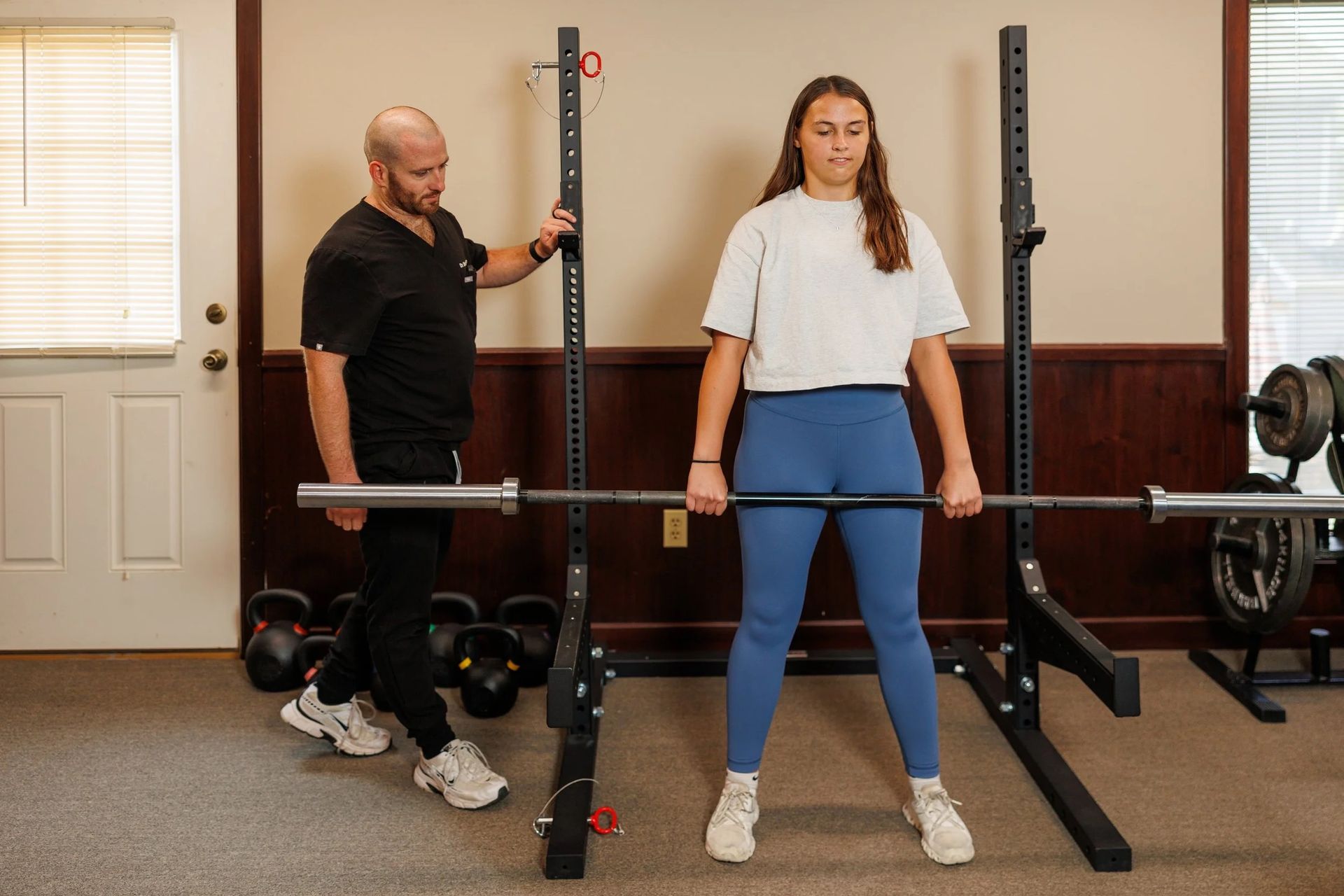
While cupping therapy can provide relief for some patients, it is typically most effective when used as part of a comprehensive treatment approach for low back pain. Evidence consistently shows that movement-based rehabilitation and strengthening exercises are essential for long-term recovery.
At Superior Chiropractic & Rehab, cupping therapy may be combined with treatments such as:
- Exercise-based rehabilitation for low back pain
- Spinal mobility and stabilization exercises
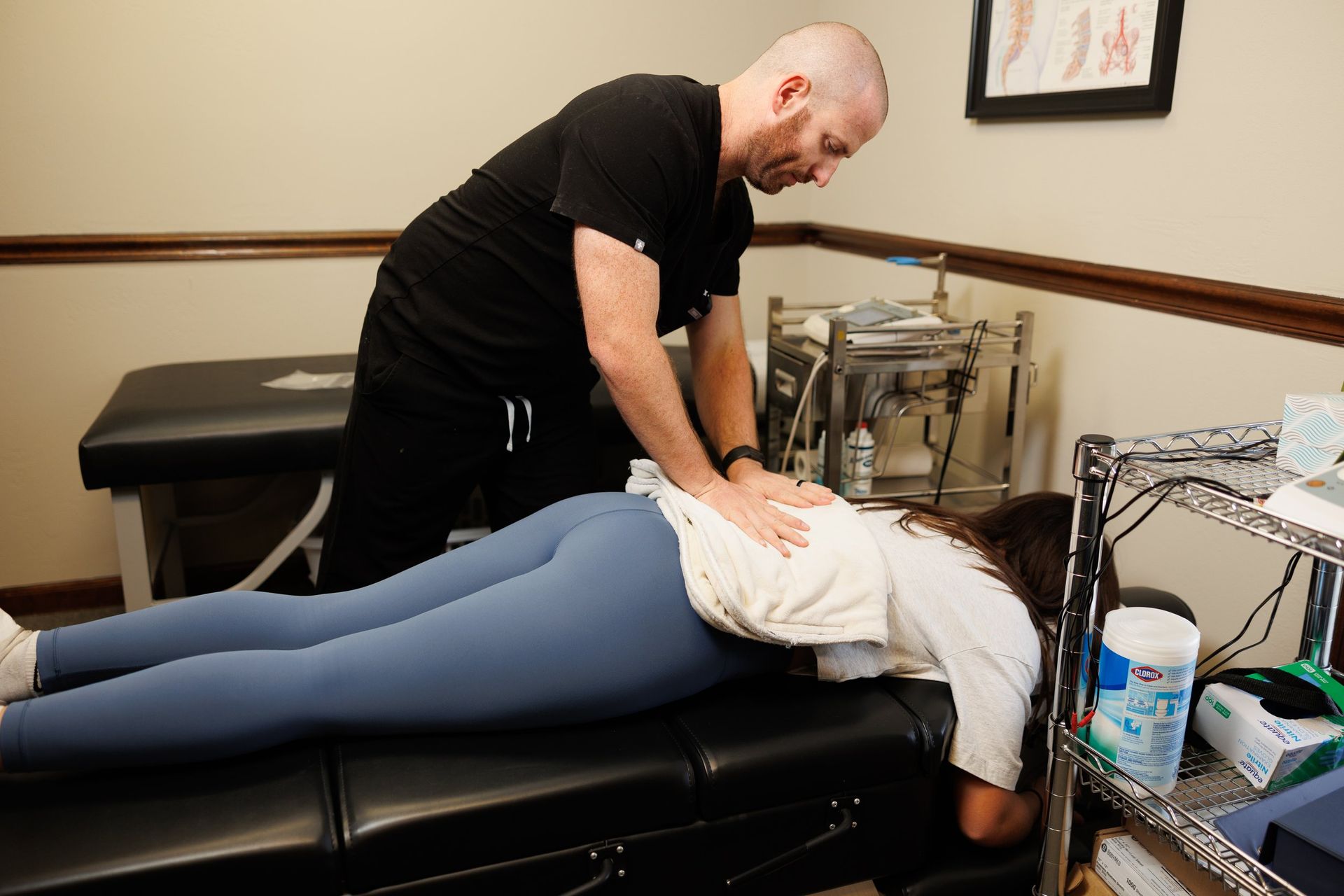
- Manual therapy and soft tissue treatment
- Education on posture and movement mechanics
By combining these approaches, patients can improve spinal function, reduce pain, and return to the activities they enjoy.
Is Cupping Therapy Safe?
Cupping therapy is generally considered safe when performed by a trained healthcare professional. It may leave temporary circular marks on the skin due to increased blood flow in the treated area. These marks are painless and typically resolve within a few days.
However, cupping may not be appropriate for individuals with certain skin conditions, bleeding disorders, or those taking blood-thinning medications. A thorough clinical evaluation can help determine whether cupping is appropriate for your specific condition.
When to Seek Treatment for Low Back Pain
If you are experiencing persistent low back pain, stiffness, or limited mobility, it is important to identify the underlying cause. Many people attempt to manage back pain with rest alone, but prolonged inactivity can sometimes worsen symptoms and slow recovery.
A proper evaluation can help determine whether your symptoms are related to muscle strain, disc irritation, joint dysfunction, or movement limitations, and guide the most effective treatment strategy.
Low Back Pain Treatment in Glen Carbon, IL
At Superior Chiropractic & Rehab, we focus on evidence-informed treatments designed to help patients recover from low back pain, sciatica, and spinal injuries. Therapies such as cupping may be incorporated alongside exercise-based rehabilitation to help reduce muscle tension and improve mobility.
If you are dealing with chronic low back pain or sciatica, scheduling a comprehensive evaluation can help identify the root cause and develop a personalized recovery plan.