The 3 Steps Of Musculoskeletal Rehab
Chiropractors and Physical Therapist are experts in treating musculoskeletal conditions like muscle strains, whip lash, and low back pain. Today, both professions are well equipped to prescribe rehab exercises for any area of the body. But, there are certain criteria that must be met in order to ensure a great outcome. After performing a total body diagnostic, addressing the cause and not the area of pain will be huge moving forward. Once the cause is established you can start rehab. Here are the 3 steps of musculoskeletal rehab:
Step 1: Increase Mobility / Decrease Pain
Mobility is always the first to go when you’re injured. Because your brain is attempting to protect the area by inhibiting muscles from allowing joints to move within their full range of motion. This is an ingenious mechanism however if a joint doesn’t move over a long period of time scar tissue can develop. The best way to prevent scar tissue is movement. When you first start rehab, your clinician may move your site of injury themselves before allowing you to move it. This delays scar tissue formation and provides you with confidence the range of motion is still present. Once we increase mobility pain will naturally decrease with time.
Step 2: Improve Muscle Endurance / Strength
According to research, movement is medicine meaning the best way to treat many medical conditions (i.e. high blood pressure, high cholesterol, diabetes, etc) is by exercising. This is true for musculoskeletal conditions too. Both cardiovascular and weightlifting should be prescribed for rehab. Increasing muscle endurance allows the muscles to work longer without getting tired thus preventing injury from repetitive movements. Also, improving muscle strength will allow increase stabilization in your body to withstand large amount of loads. This principle works hand in hand with activities of daily living such as picking the groceries initially (muscle strength) then carrying them into the house without getting tired (muscle endurance).
Step 3: Establish Functional Movement Patterns
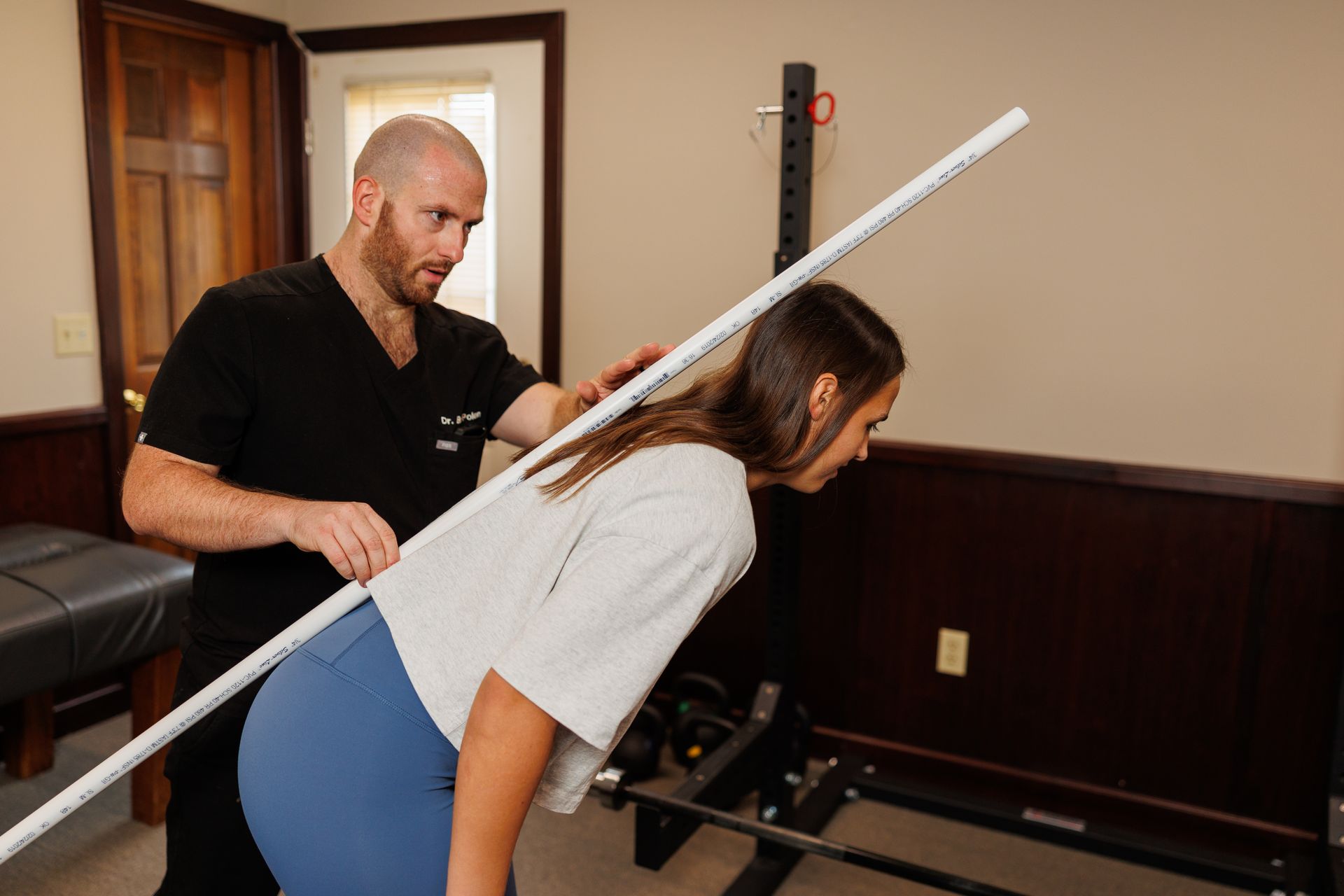
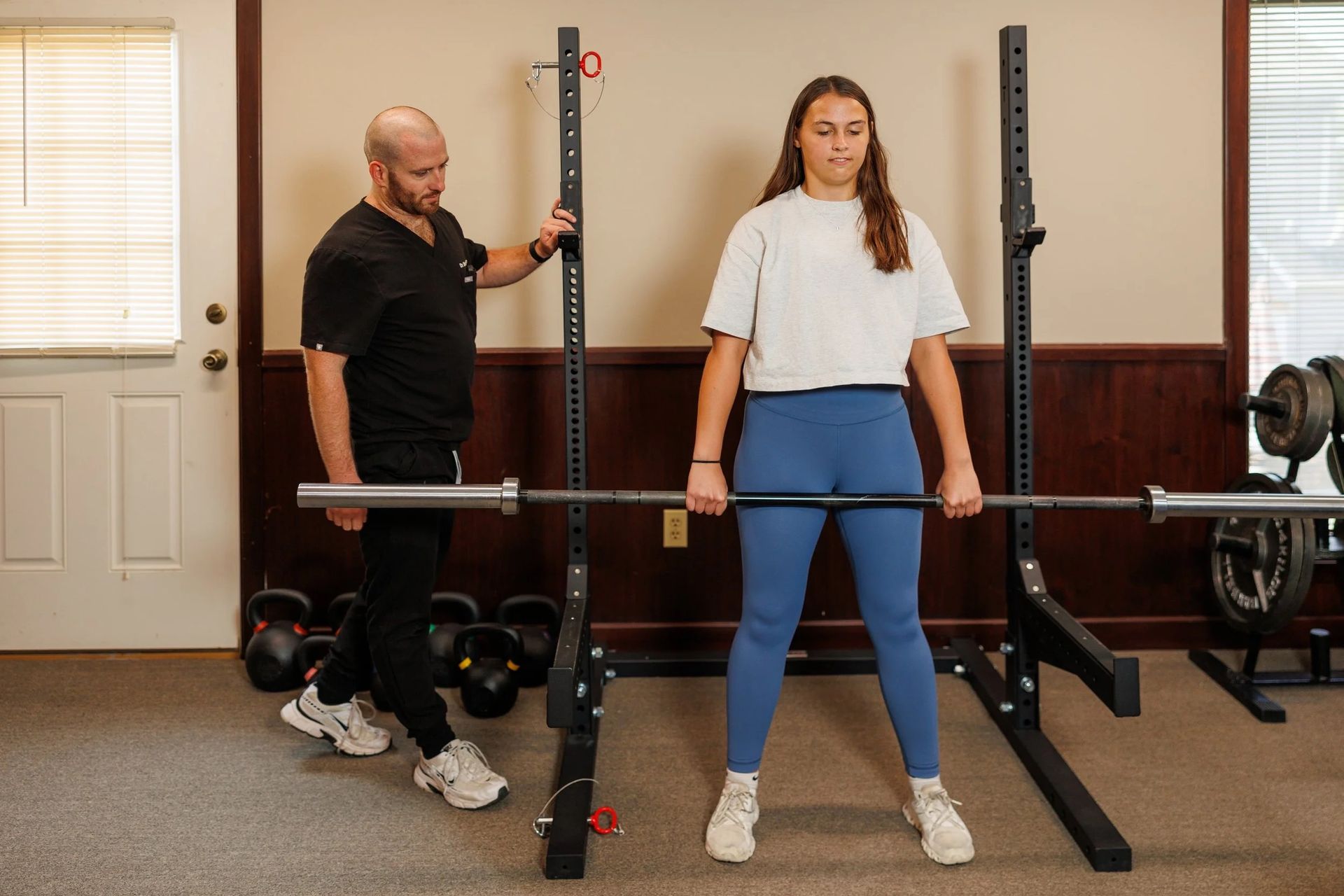
Working on mobility, pain reduction, muscle endurance and strength are great but if your body isn’t moving properly then re-injury is inevitable. This is why clinicians are strict on exercising with proper form. Proper form is a preventative measure for re-injury and it helps your brain learn what’s “normal” movement. In fact, this principle is incorporated in the start of rehab with mobility work. However, near the tail end of care it’s based on many functional movements we do throughout the day such as deadlifting and squatting. Teaching our clients how to move functionally will reduce co-dependance on their healthcare professional for long term solutions.
Okay Dr. Polen…What Do I Do Next?
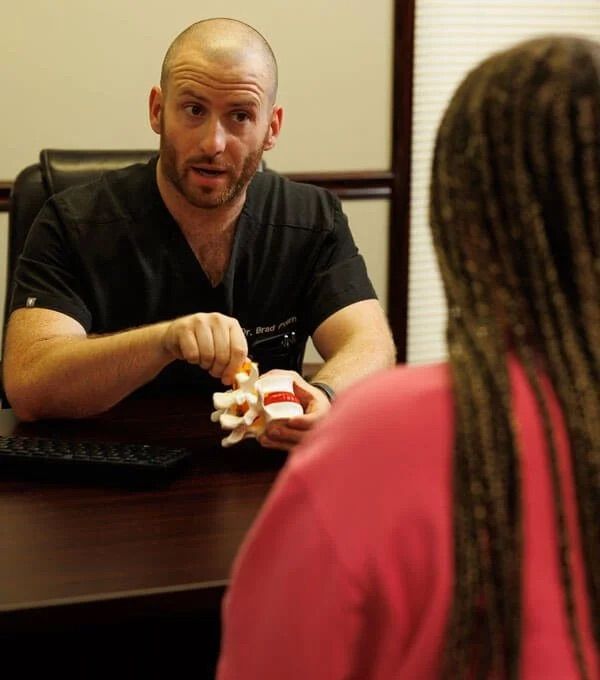
Rehab is much more complicated and prognosis depends on many factors with your lifestyle (i.e. stress, diet, physical activity level, extent of injury, etc). The best thing to do is requesting a total body diagnostic with Dr. Polen. A total body diagnostic is a head to toe evaluation to determine what’s the cause of your pain and then we develop a rehab program to ensure you stay active, strong, and healthy without prescription drugs or surgery! Click the link below to schedule a total body diagnostic!