Is Stress Causing Your Low Back Pain?
What is stress? According to the Anxiety and Depression Association of America, stress is a response to threats in a situation. Our bodies are designed for stress in the short term as a survival mechanism. Picture this, a young explorer named Adam in a deep forest picking berries to eat and in the brush sees a bear cub, yelping in pain. He start walking towards the cub, to see if it’s caught in a trap. In the corner of Adams eye, he notices a gigantic animal running towards him. As he turns to look, his pupils dilate, heart beat starts racing, blood pressure shoots up, all the blood in his abdomen are shunted towards his arms and legs. Finally, a voice inside Adams head says….RUN! Without thinking, he innately start moving in the opposite direction. His hearing is amplified as even the small sounds of water from the ground splashing against his boots sound like bombs exploding. As he’s jumping over logs of fallen trees they seem like 50 ft jumps and the zipping under branches sound like bullets passing by him. All this while sprinting as fast and far away, praying he doesn’t hear mother bear behind him. After 4 minutes of running, Adam makes it back to his car and peels out of the forest, burning rubber in the dirt.
This mechanism of survival was essential for our ancestors. This entire stress system is controlled under the autonomic nervous system. There are two divisions of the autonomic nervous system called the sympathetic and parasympathetic. These divisions controlled all functions of our body such as: heart rate, breathing, blood pressure, acid/base balance, and a laundry list of other task. In addition, this system controls how fast or slow these tasks are performed. If you’re stressed, everything goes up (sympathetic); but if you’re relaxed, everything goes down (parasympathetic). Therefore, if someone has high blood pressure there’s a good chance they are constantly stressed. In the battle between sympathetic vs parasympathetic…sympathetic always wins. We have counter measures for long term sympathetic activity but not for parasympathetic. Research as shown if you practice breathing slowly then your blood pressure will go down naturally (parasympathetic). Breathing slowly helps activate the parasympathetic division of your autonomic nervous system. Activating this part of your body will relax everything.
Unfortunately, with the rise of cardiovascular disease due to high blood pressure, stress is slowly becoming the new normal in our society. This maybe due to our need for immediate results for work, life, and relationships. We want all of our problems to be taken care by the snap of our fingers. However, this almost never happens and leaves many people disappointed. Stress can lead to many psychological conditions such as anxiety that requires treatment. In addition, new research suggest stress can magnify pain in our bodies.
If you first hurt your low back, the pain is at its worst because you’re most likely stressed from the current situation (car accident, sports injury, lifting too much, etc) which is a sympathetic response. But once life sets back in with bill due dates, project deadlines, exams and a host of other issues our “fight or flight” response is never turned off. Therefore, pain is never shut off. Therefore, we all live in a constant sympathetic state that’s impacting our health and we never learn to relax. Which begs the question…how do you shut off pain if we are in a constant state of stress? The answer is simple. Eliminate stress triggers, exercise, eat a healthy diet full of fruits and veggies, drink plenty of water, sleep 8 hours a night, and practice mindfulness.
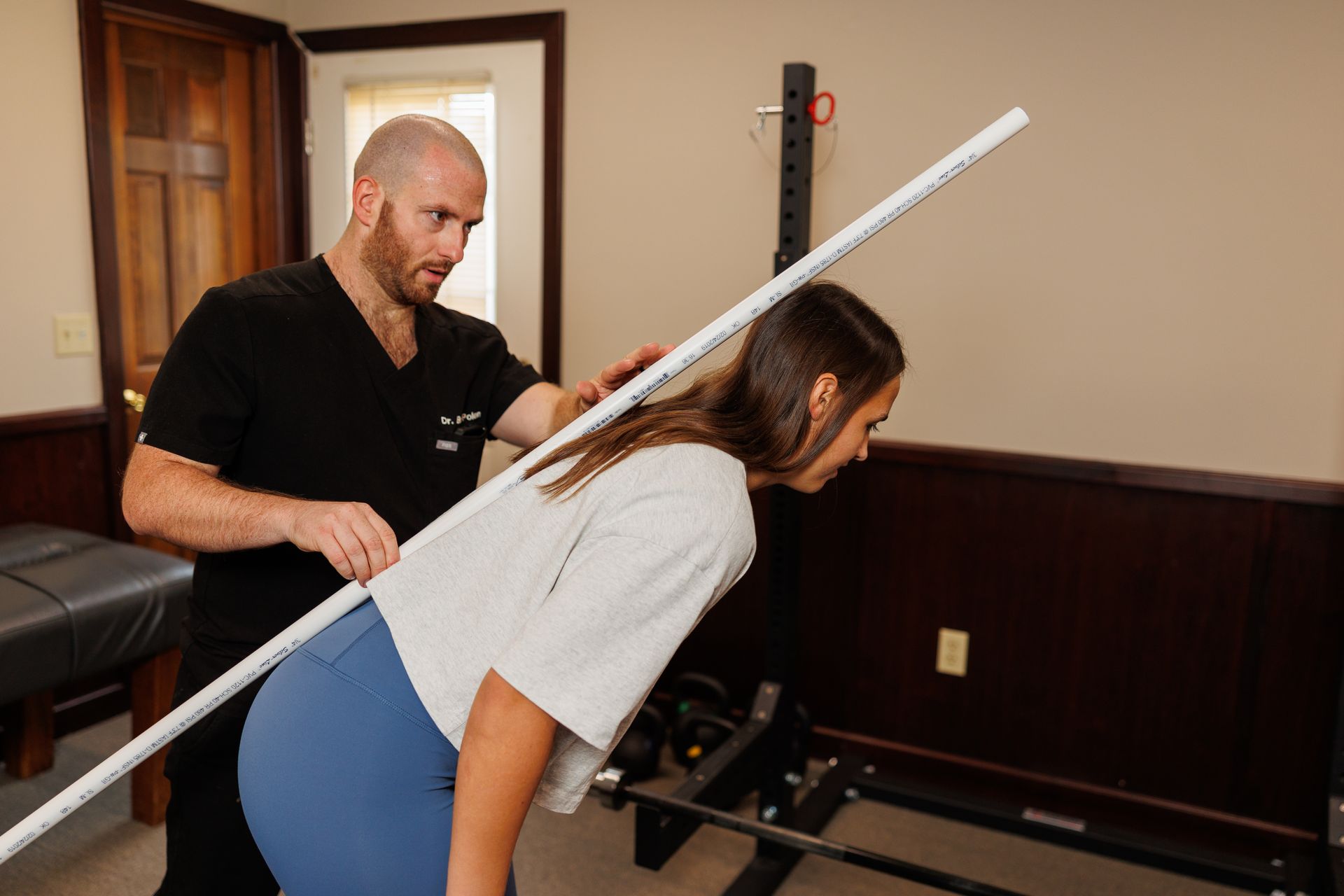
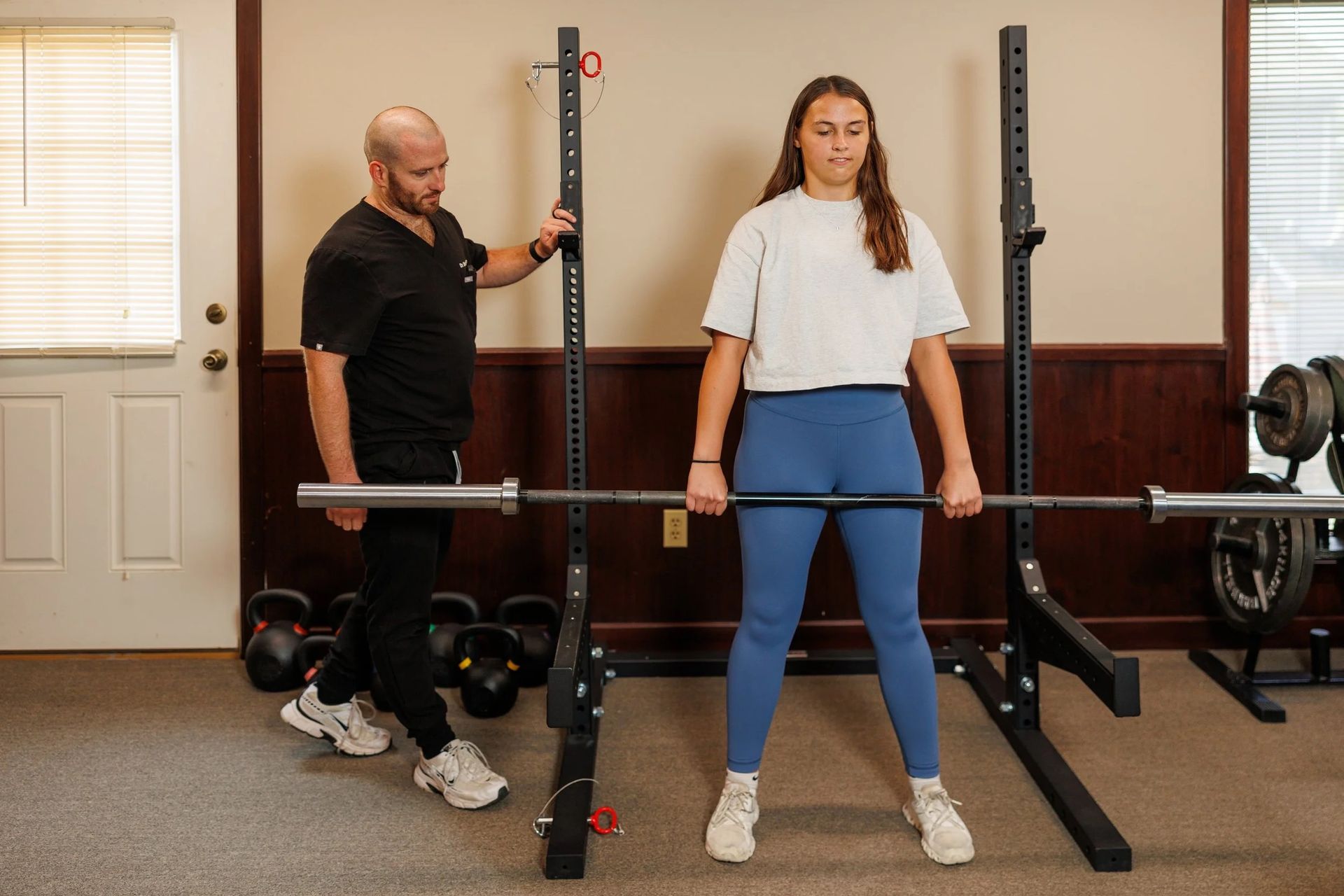
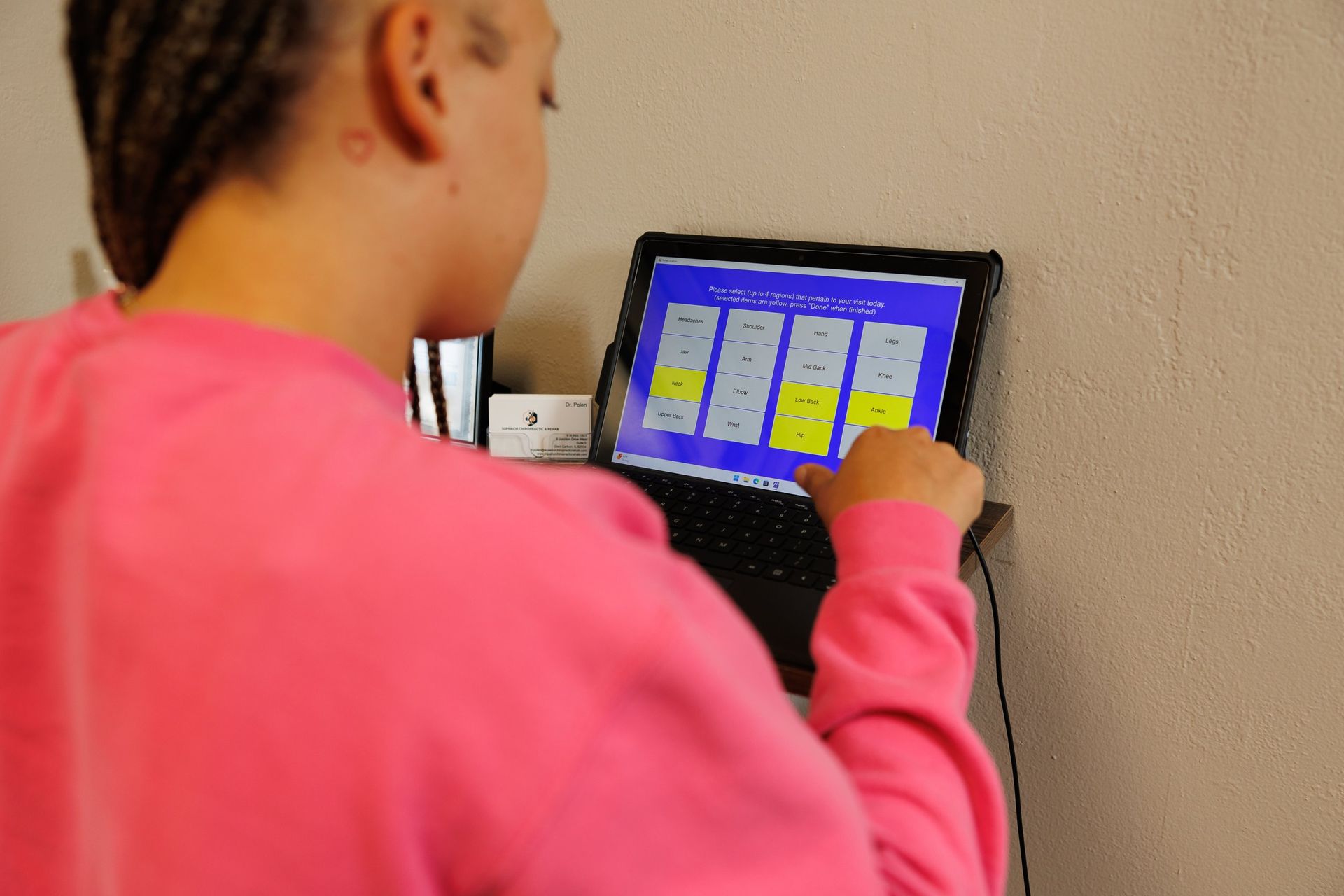
If you’ve tried these strategies before and didn’t notice any changes. We need to perform a total body diagnostic. A total body diagnostic doesn’t only exam your body from head to toe but also evaluates if your lifestyle such as stress is causing your low back pain. Factoring in your lifestyle and stress will greatly enhance how well we can help treat you.