Is it Back Pain or a Herniated Disc? | Glen Carbon IL
Is it Back Pain or a Herniated Disc?
If you are one of 31 million Americans experiencing back pain, neck pain, or low
back pain, a "slipped" disc or herniated disc may be the cause.
But what exactly is a herniated disc, and how does it become injured?
The spine consists of 24 blocky bones (vertebra) stacked on top of each other in a
flexible column that allows our body to move. Between each vertebra sits a soft,
rubbery cushion made of cartilaginous fibers and hydrated proteins known as an
intervertebral disc.
Intervertebral discs act as shock absorbers2 for our spine, much like brake pads in
a vehicle. Discs absorb the impact of numerous physical activities: running,
bending over, sitting, jumping on a trampoline, and more. Intervertebral discs
also absorb physical forces sustained in stationary positions like sitting at a
football game or in front of a computer for long periods.
Intervertebral discs are located along the spine in our neck, mid back, and lower
back. They also bend and twist with movements of the spine, allowing our bodies
to be flexible.
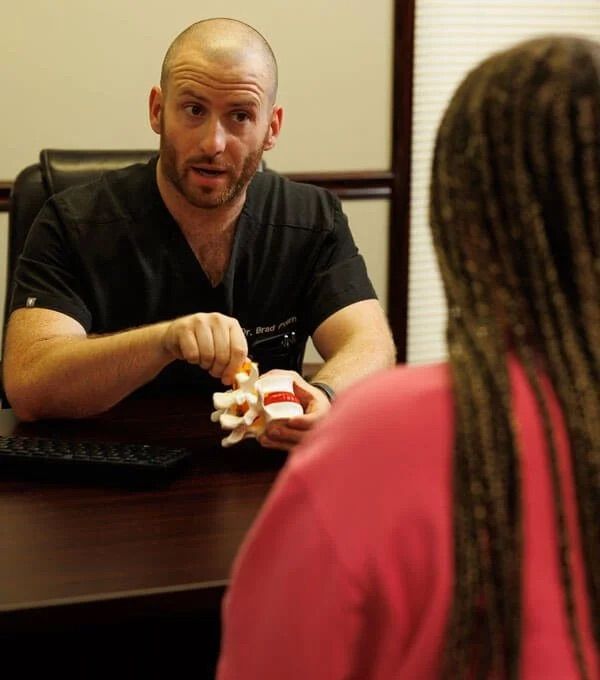
How do they accomplish this? Intervertebral discs are shaped like jelly donuts
with a tough, fibrous outer portion known as the annulus fibrosis and a soft, gel-
like inner portion called the nucleus pulposus. This combination of a more rigid
exterior and softer interior allows it to distribute the forces we encounter with
our everyday activities and physical exertion – all because this bendable disc
absorbs the forces of physics.
How does an injury occur to an intervertebral disc? Imagine dropping a jelly
doughnut onto the sidewalk and stepping on it.
The term "slipped disc," more accurately known as a bulging or herniated disc,
refers to some damage that has occurred to either the annulus fibrosis, the
nucleus pulposus, or both.
The damage can be minor – think of a small papercut that heals just fine on its
own. Sometimes, the outer portion of the intervertebral disc tears, resulting in
large bulges in the annulus fibrosis. If the tearing and damage to the annulus
fibrosis are extensive, the nucleus pulposus may leak out.
Damage to this tough exterior of the intervertebral disc can also irritate the
nerves on the outer third of the annulus fibrosis, causing pain1 and other
sequelae to occur.
Compromise to the disc structure is commonly thought to occur from accidents
or traumas, but this is not always the case. Although injuries from traumatic
accidents like sporting injuries, vehicle collisions, or slips and falls can cause
damage to the disc, degeneration, or accumulated wear and tear on the body, it
can also cause discs to become more susceptible to injury and damage!
Sometimes degeneration occurs from age, but it also can occur naturally.
Thankfully, the rubbery discs in our spine are a lot stronger than a jelly doughnut!
Although intervertebral discs can be injured, there may not be any symptoms.
Having a disc injury may not always be painful or even result in pain or a loss of
function.
If there is a disc bulge or herniation, surgery is not always necessary to relieve the
problem, either. Why is this?
Disc bulges can occur naturally in the body without producing any signs or
symptoms that they exist.
It's when signs and symptoms, such as pain and a decreased ability to perform
regular activities, may indicate the need for some intervention.
The mechanism of a disc herniation
The vertebrae and intervertebral discs of the spine surround and protect the
spinal cord: the information highway connects the brain to the body's nerves.
The nerves exiting the spinal cord travel outward, innervating both the left and
right sides of our bodies.
Injury to a disc can create a bulge that pinches one of the nerves exiting the spinal
cord. This is known as nerve impingement. Signs and symptoms depend on
where the disc is located and whether the disc bulge or injury is pressing on a
nerve.
If this is the case, depending on where the pinched nerve is in the spine, it can
result in pain, weakness, or odd sensations called paresthesia in an arm or leg!
Signs of a disc herniation causing nerve impingement include:
Arm or leg pain. If pain is left in the upper or lower extremities, it is usually
only on one side.
o A disc herniation in the neck may cause pain and discomfort in the
shoulder and arm.
o If the disc herniation is in the lower back, it may cause pain and
discomfort along the beltline, thigh, and even into the foot.
o This pain can feel sharp or shooting when you cough, sneeze, or move
into certain positions.
Weakness. A disc herniation may pinch the nerve, resulting in muscles
controlled by the nerve becoming weaker.
Paresthesia. This may feel like tingling, numbness, strange sensations, or
even ants crawling on the skin. The areas of the body that experience these
symptoms are often supplied by the nerve being impinged.
Certain conditions increase the risk of developing disc herniations and disc
injury. These are:
Weight. Obesity and excess body weight places additional stress on the discs,
primarily in the lower back.
Occupation. People with labor-intensive jobs have a greater risk of developing
back problems. This includes repetitive lifting, pulling, pushing, twisting,
bending at the waist, and leaning from side to side.
Genetics. Some people inherit a predisposition to developing a disc
herniation.
Smoking. Smoking decreases the oxygen supply to the disc, causing the
cartilaginous fibers to break down more quickly.
Is your pain coming from a spinal disc injury?
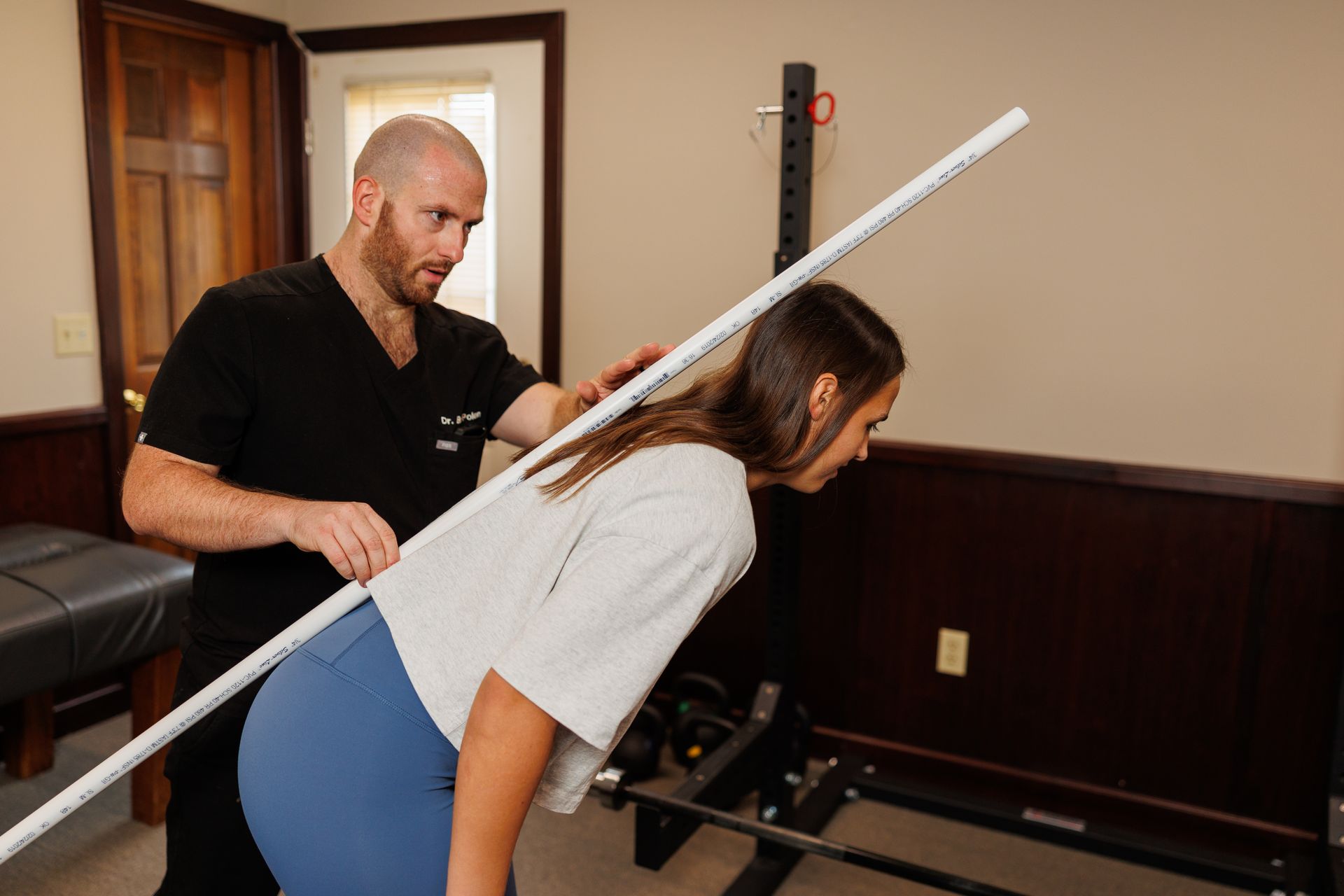
What should you do if you suspect you have a disc herniation? Because the
nature of this injury is mechanical, which means it occurs in relation to the
muscles, joints, and bones of the body, addressing the musculoskeletal
components and making changes to overall bodily movement becomes a crucial
part of an effective treatment plan.
This isn't to say a person with a disc herniation needs to stop all activities and
engage in bedrest. This could be an undesirable course of action.
Management of a disc herniation will depend on whether the condition is acute
(sudden onset) or chronic (repeatedly occurring over time). It will also depend on
the severity of symptoms and the size of the injury to the disc.
Thankfully, with the right interventions and tools, intervertebral discs can heal –
although it can be slow!
What should you do if you suspect you have a disc herniation? To help prevent a
herniated disc, you can:
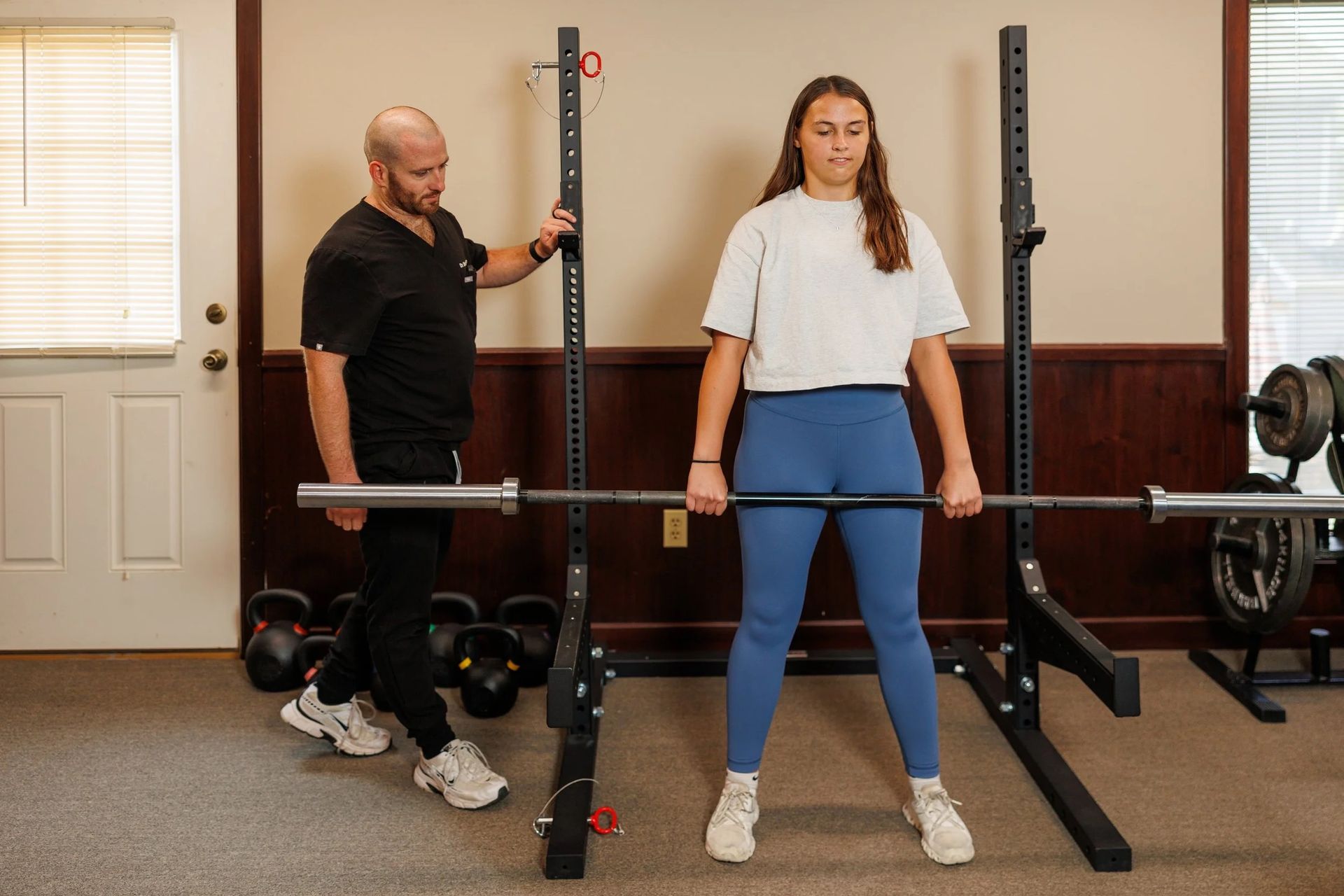
Exercise. Strengthen the trunk muscles (think core muscles: abs and back) as
these muscles work together to stabilize and support the spine.
Change your ergonomics. Lift heavy objects properly, making your legs — not
your back — do most of the work. Take breaks to change positions and move
when sitting for long periods.
Maintain a healthy weight. Excess weight puts more pressure on the spine
and discs, making them more susceptible to herniation.
Quit smoking. Avoid the use of any tobacco products.
Is a doctors appointment necessary?
If you're having back pain, you may want to see your chiropractor in Glen Carbon
/ Edwardsville to determine if you have a disc herniation or discal disease. A
chiropractor is a trained doctor with the necessary educational background to
analyze the physical movements of the body. A chiropractor near you can be an
asset in directing the course of care best for recovery if you have a disc injury or
other musculoskeletal condition.
Give our office a call (618-844-1993) if you feel you may have a disc injury or
other condition causing your pain! Treating disc herniations and related
conditions is right up our alley, and we have many methods to manage your care
safely, effectively, and compassionately. In most herniated disc cases, a physical
exam and a medical history are all that's needed for a diagnosis. If you have
another condition or extensive injury is suspected, you may be referred out for
imaging.
Our office is well-equipped to assess, diagnose, and treat mechanical conditions
— like disc herniations and pinched nerves — through gentle, conservative
interventions that don't include injections or surgery. Make your appointment
today. Living in pain is not an option if you have disc-related pain!
Science Source:
Yang H, Liu H, Li Z, et al. Low back pain associated with lumbar disc herniation:
role of moderately degenerative disc and annulus fibrous tears. Int J Clin Exp
Med. 2015;8(2):1634-1644. Published 2015 Feb 15.